What Does It Mean to Celebrate Life?
A celebration of life is a personalized gathering focused on remembering and honoring an individual’s character, passions, accomplishments, and the positive impact they had on others. Instead of following a formal structure, a life celebration is a tribute to a loved one’s life, including the experiences they shared with family and friends.
A celebration of life emphasizes storytelling and gratitude. It provides an opportunity for attendees to reflect on memories, share personal experiences, and celebrate all of the qualities that made someone special.
Every life ceremony will be different. Some are small and intimate, and others bring together large groups of family, friends, colleagues, and community members. The format, location, and activities can be customized in a way that truly reflects the individual’s personality and way of seeing the world.
What Is the Difference Between a Celebration of Life and a Funeral?
Both a celebration of life and a funeral provide an opportunity to honor and remember a person. However, they can be quite different in tone, timing, and structure.
Traditional Funeral Service
A traditional funeral service is typically more formal and often follows cultural, religious, or family traditions. These services may take place at a place of worship, cemetery, or funeral home and generally follow a structured program.
A Traditional Funeral May Include:
- Formal readings or prayers
- Religious or cultural customs
- Eulogies
- Music or poetry selections
- Processions or graveside services
A Traditional Funeral Service May Be Appropriate When:
- Religious or cultural traditions are important
- Families prefer a formal structure
- Immediate gatherings are desired
- Established customs provide comfort and guidance
For many families, a traditional funeral provides familiarity and a common ritual to get together during an important life transition.
Memorial Service
A memorial service is another common option. A memorial service may take place weeks or even months later and often offers greater flexibility in terms of location and format.
A memorial service can be formal or informal and may include personal touches while still maintaining a traditional structure.
A Memorial Service May Be Appropriate When:
- Family members need additional time to travel and gather
- Scheduling flexibility is important
- A combination of traditional and personalized elements is preferred
Celebration of Life
A celebration of life generally places more emphasis on personal stories, shared memories, the individual’s interests, and their accomplishments. In most cases, it is less formal than a traditional funeral service and can be held in a wide variety of locations.
A Celebration of Life May Include:
- Personalized themes
- Storytelling and memory sharing
- Favorite music
- Visual displays and keepsakes
- Interactive activities
- Flexible scheduling and locations
A Celebration of Life May Be Appropriate When:
- Families want a highly personalized event
- The individual had strong hobbies, passions, or interests worth highlighting
- Loved ones wish to focus on memories and shared experiences
- A less formal atmosphere feels more fitting
Instead of focusing on the ceremony alone, a celebration of life highlights a person’s biography and the connections they built throughout their lifetime.
Which One Should You Choose to Honor a Loved One?
There is no single right choice when it comes to remembrance gatherings. Every family has different traditions and emotional needs. In many cases, families choose to combine ceremonies. For example, a traditional funeral service may be followed by a separate celebration of life at a later date.
What Are the Common Elements of a Celebration of Life?
Although every celebration of life is unique, there are common elements that can help create a memorable and special moment.
1. Storytelling
Storytelling is at the center of a celebration of life.
Friends and family members may be invited to share personal stories, favorite memories, funny moments, or lessons learned from the person being honored. These stories help create a fuller picture of their personality and the impact they had on others.
Instead of a single formal speech, many celebrations encourage multiple people to contribute.
2. Music With Personal Meaning
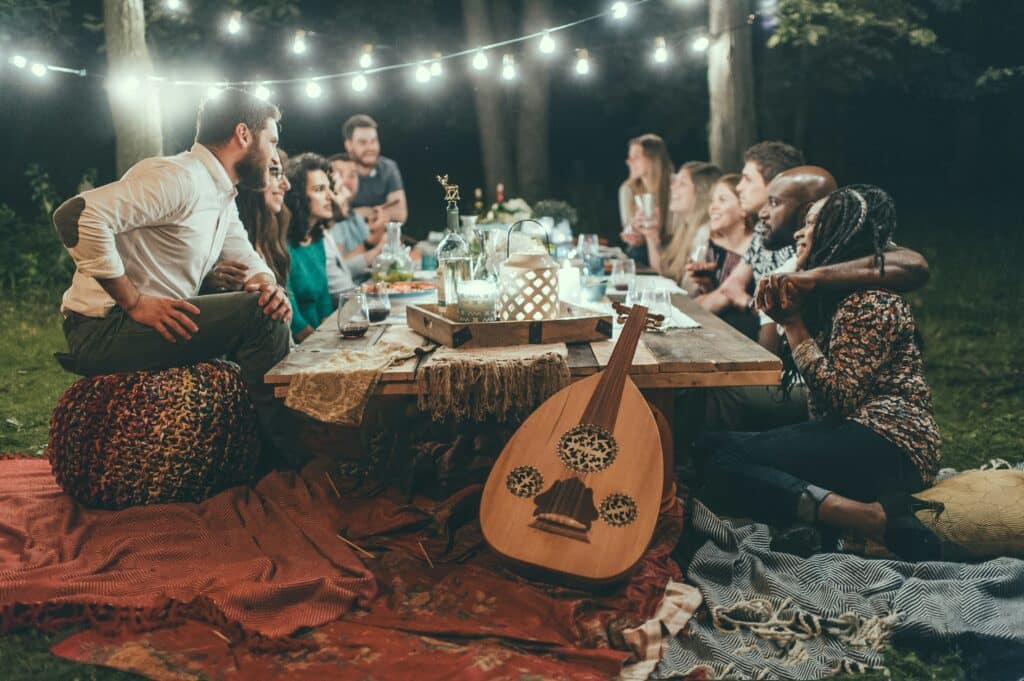
Music provides a strong sense of identity for many people. If a loved one was a passionate music fan, there may be no better way to honor who they were.
Instead of selecting traditional ceremonial music, families can choose songs that truly represent the individual’s tastes and the defining eras of their life.
Music Options May Include:
- A soundtrack of their life, featuring favorite songs from their youth, middle years, and later life
- Live concerts or performances that held special meaning for them
- Instrumental pieces showcasing their favorite instrument
- Group sing-alongs to bring everyone together
- Custom playlists curated by family and friends
The right music can instantly make a gathering feel deeply personal.
3. Memory Boards and Interactive Displays
Personal tributes allow guests to participate and contribute to the memory of a loved one’s life. Some families create memory boards that contain photographs and mementos. Others compile video montages, memory books, or written messages from attendees.
4. A Special Location
One of the defining characteristics of a celebration of life is flexibility in location.
Unlike services that are typically held at a church or funeral home, a life celebration can take place almost anywhere.
Popular Celebration of Life Locations Include:
- Gardens and parks
- Beaches
- Family homes
- Community centers
- Museums
- Theaters
- Sports venues
- Favorite restaurants or gathering places
A setting inspired by a loved one’s favorite hobbies or places speaks volumes about the life being celebrated.
5. Food and Drinks
Many celebrations of life include refreshments or a reception where guests can continue conversations and share memories. Some families choose favorite foods, family recipes, or menu items that were especially meaningful to the person being remembered.
How to Plan a Celebration of Life
The best way to begin planning a celebration of life is to keep a loved one’s personality and passions at the heart of every decision.
1. Decide on the Format
Will the event include formal speeches, open sharing, music, refreshments, or activities? Establishing a basic structure can help guests know what to expect.
2. Gather Photos, Personal Items, and Stories
Photographs, keepsakes, awards, artwork, and memorabilia help tell the story of a person’s life and create visual points of connection. Encourage family and friends to contribute stories, music selections, written messages, or personal tributes.
3. Choose the Right Location
Consider places that held significance during the person’s life. The setting can help set the overall tone of the gathering.
4. Work with Experienced Professionals
A funeral professional can help coordinate logistics, venue arrangements, guest accommodations, and other practical details. Understanding available funeral service options can make the planning process smoother.
5. Focus on Authenticity
The most meaningful celebrations are the simplest. Instead of feeling pressured to create an elaborate event, focus on the people, the memories, and the experiences that best represent the individual’s life.
Celebrate a Life With Hollywood Forever
Meaningful tributes can blossom through a traditional funeral service, a memorial gathering, a personalized celebration of life, or a thoughtful blend of each.
Every life story deserves to be told. Focusing on shared stories, favorite music, special locations, and personal displays, families can design a gathering that beautifully captures who their loved one was.
Celebrate your loved one’s life at Hollywood Forever. Contact our team at any time to discuss your vision and options.