Why Memorial Gardens Can Help Us Grieve
A traditional gravesite provides us with a fixed space for remembrance. However, an active garden can support healing by engaging your mind and body in specific ways.
You Can Move Grief From the Mind and Into Physical Action
The small, repetitive acts of weeding, watering, or pruning are somatic grounding techniques that can anchor the nervous system and lower cortisol levels.
You Can Gain Perspective
The natural cycle of a garden provides an organic reflection of the grieving process. Witnessing dormant seeds winter, break through the soil, and bloom helps the brain gently process the concepts of trauma and emotional renewal without forcing a timeline.
You Can Maintain a Bond With Your Loved One
Healthy grieving allows you to maintain a loving bond with the one who passed. A living memorial allows this relationship to evolve into active care as you nurture new life in their honor.
Learn more about ways to preserve the memory of a loved one.
Where Is the Best Place for a Memorial Garden?
One of the most beautiful things about memorial garden ideas is that they can fit almost anywhere. Your garden does not need to be large or elaborate. Some thoughtful locations to consider include a backyard garden, a windowsill or balcony garden, and a community or shared garden.
A Backyard Garden
A backyard memorial garden creates a private retreat where family members can gather and remember. It can start by simply adding a bench, a pathway, and a memorial stone.
Windowsill or Balcony Garden
If you have limited outdoor space, a windowsill herb pot or balcony planter can become a simple but gentle living memorial. Small memorial gardens still carry meaning.
Community or Shared Garden
Contributing a memorial tree to a favorite public park or adding a dedicated rose bush to a chapel cemetery creates a permanent landmark. This activity connects you with other community members, allowing you to honor a loved one’s memory together in a space everyone can enjoy.
Choosing their Favorite Outdoor Space
Planting a memorial garden in a loved one’s favorite place, such as right outside the window where they watched the birds, near the patio they built, or along the trail where they walked their dog, can create an especially personal connection.
Which Plants Have Symbolic Meaning?
Many memorial gardens incorporate plants that symbolize love and healing. Flowers and herbs help make the garden a sacred space.
| Plant/Herb | Meaning |
| Rosemary | Rosemary symbolizes memory and devotion. Its soothing fragrance makes it a popular addition to memorial gardens. |
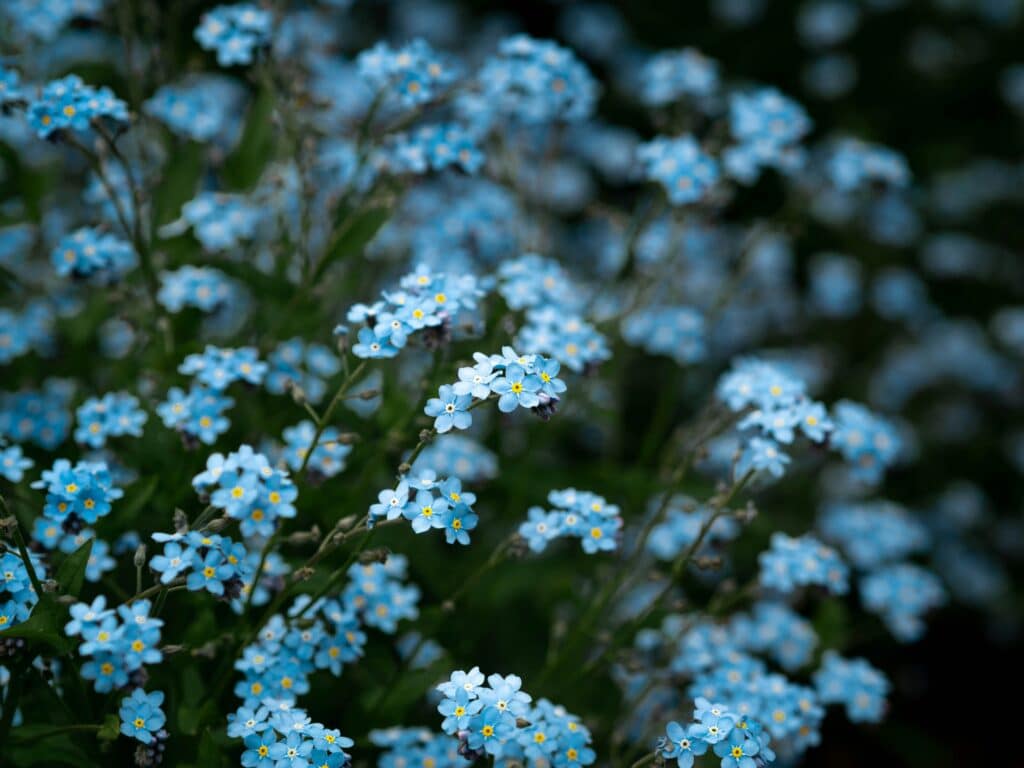
| Forget-Me-Nots | These delicate blue flowers represent lasting love and remembrance. |
| White Roses | White roses symbolize purity and peace. They often appear in memorial service arrangements and can create an elegant focal point. |
| Lavender | Lavender offers a calming scent known to reduce stress and help with relaxation during grief. |
| A Loved One’s Favorite Plant | Whether it is sunflowers, roses, herbs, or wildflowers, it can help celebrate a loved one’s individuality. |
6 Common Memorial Garden Design Ideas
There are endless ways to personalize memorial gardens. Ideally, you want the garden to feel comforting, reflective, and connected to the person you are honoring. Some common design ideas include the following:
1. Adding a Memorial Stone
A stone engraved with their name, key dates, or a favorite motto brings permanence to the garden, rooting their memory in the earth.
2. Creating a Seating Area
Including a simple bench or a favorite chair lets you slow down, stay a while, and enjoy a moment of rest while remembering special moments.
3. Including Wind Chimes or Water Features
Small decorative details that provide ambient sound can help quiet the mind and create a feeling of serenity.
4. Using Pathways and Borders
Winding stone paths, soft lanterns, or gentle borders can guide your steps through the garden and add a thoughtful touch.
5. Planting in Layers
Bringing together a mix of trees, flowers in bloom, and green ground makes the garden feel alive and comforting year-round.
6. Including Personal Items
Tucking in accents like a bird feeder, a favorite sculpture, or a piece of art is a perfect way to represent your loved one’s tastes and what they loved most.
How to Care for a Living Memorial
To keep the space peaceful rather than overwhelming, it helps to focus on low-maintenance care that lets nature do most of the work:
- Choose hardy, native plants: Opt for perennials and shrubs that are native to your area. They naturally adapt to your local soil and weather, meaning they will require much less fussing over time.
- Mulch for easy upkeep: Spread a thick layer of organic mulch around your plants to reduce maintenance. It keeps moisture in the soil, blocks weeds from popping up, and gives the garden a tidy, finished look.
- Keep watering simple: Set up a simple drip hose or place a rain barrel nearby. This helps to make sure your plants get the hydration they need during dry spells without turning into a daily chore.
Remember that a living garden is always changing. Branches will grow, seasons will shift, and occasionally, a plant might need to be replaced. Try not to see a struggling plant as a failure of the memorial, but rather as a natural part of the cycle of life.
By keeping your choices simple and forgiving from the start, your garden will last for years to come.
Turning to Nature to Preserve Memories
Memorial gardens remind us that beauty still exists, even during moments of sadness. In many ways, tending or visiting a living landscape reflects the connection we have with those we miss. From our grief, something beautiful can grow and bloom.
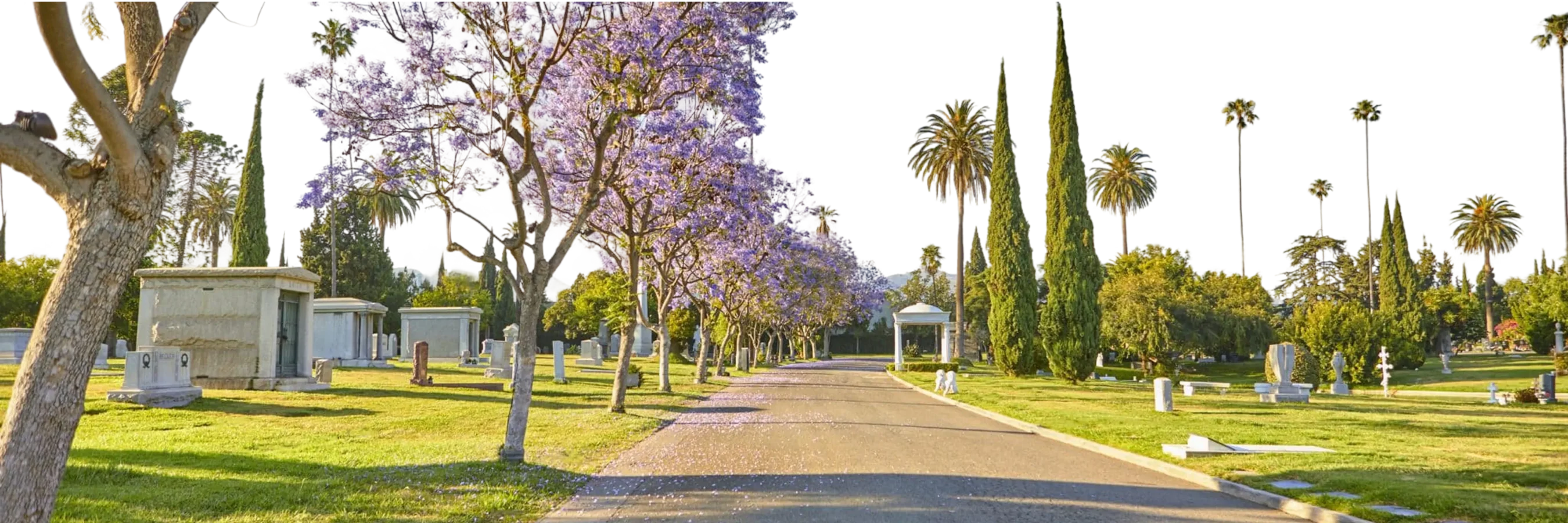
At Hollywood Forever, this gentle approach to healing is reflected across our grounds. Our gardens and quiet areas for reflection are integrated into the cemetery landscape. If you are searching for a meaningful space in Los Angeles that supports healing and a connection with nature, contact us.