What Memorialization Options Are Available?
One of the first things to consider is what types of memorialization a cemetery offers. Not all cemeteries will provide the same choices, and your preferred option may help you narrow your cemetery search.
Some common burial options include:
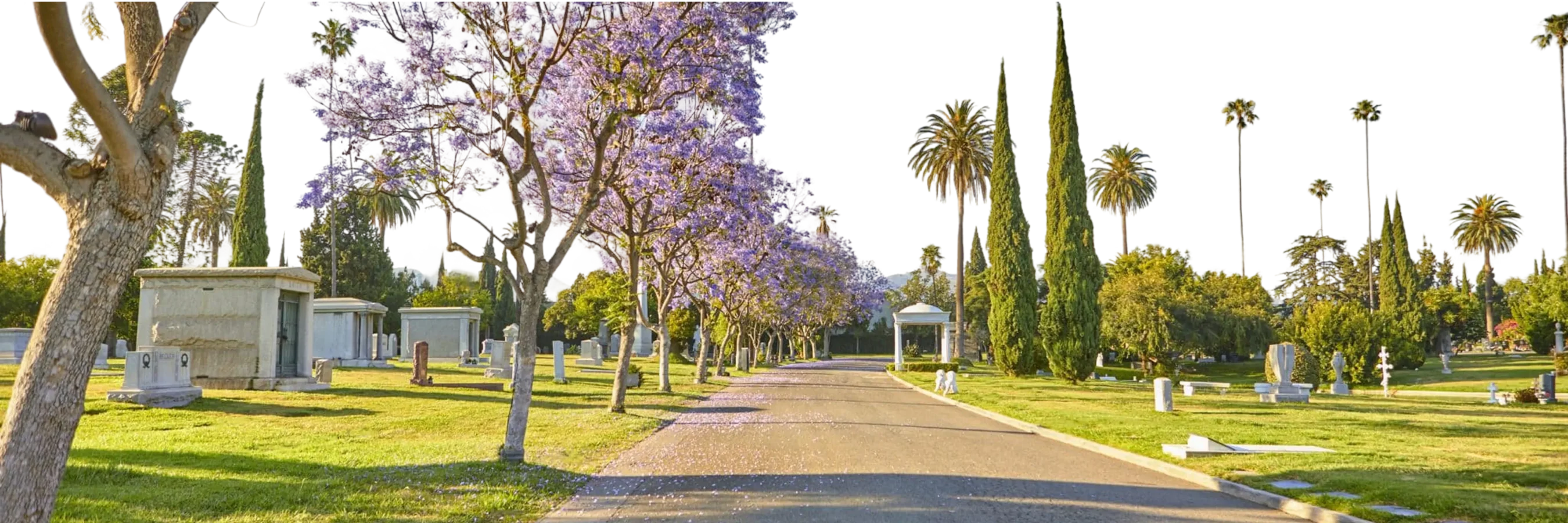
- Traditional ground burial in a cemetery plot
- Family or companion burial plot spaces
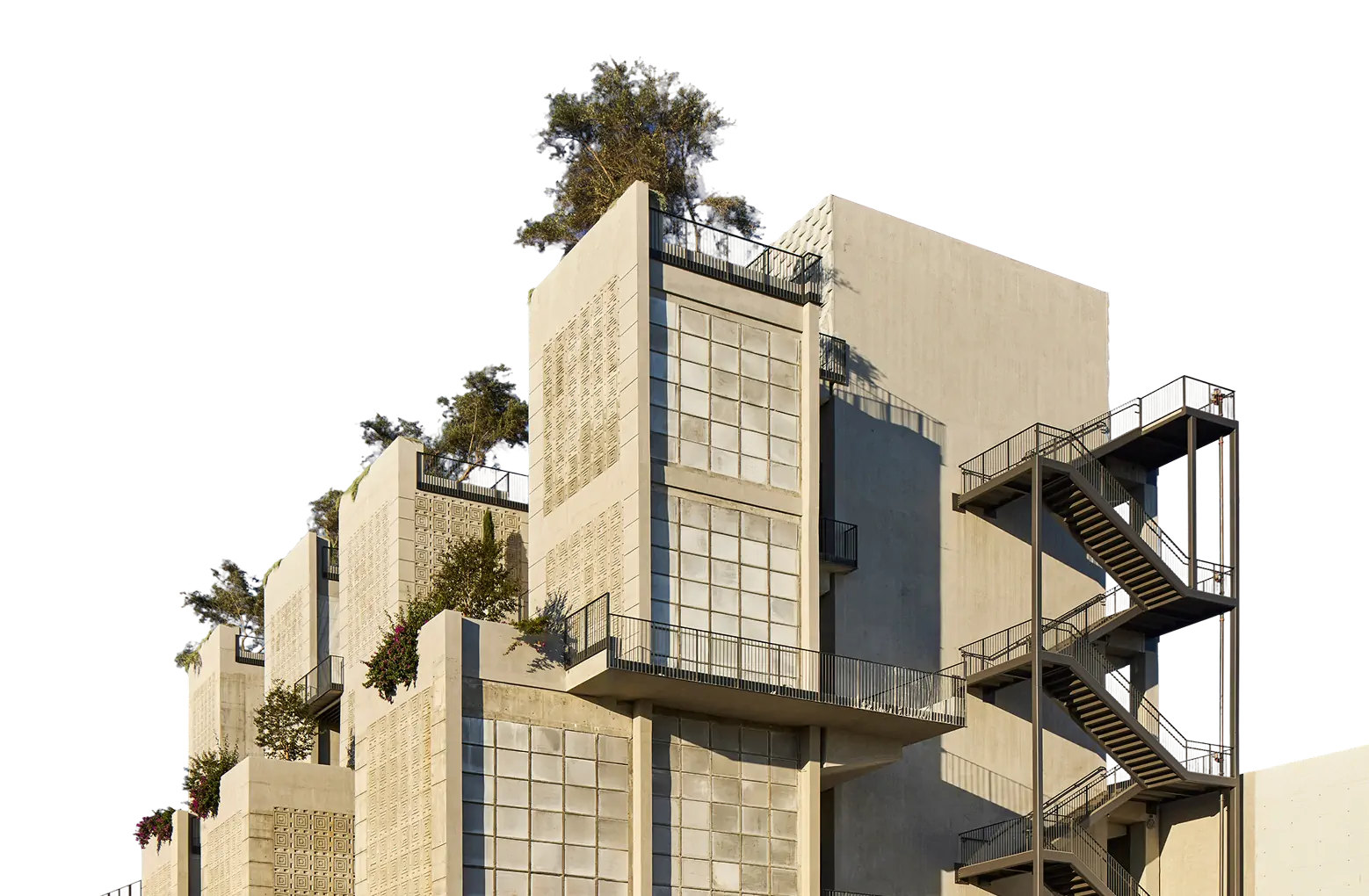
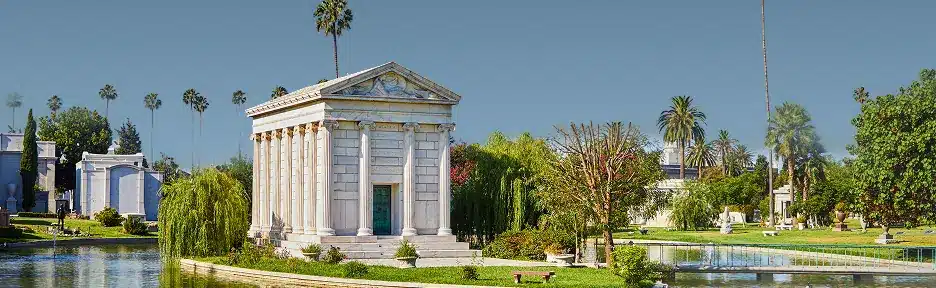
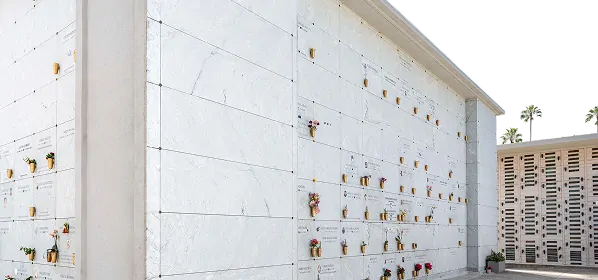
- Indoor or outdoor mausoleum crypts
- Garden crypts
- Cremation niches and columbariums
- Ground spaces for cremated remains
- Scattering gardens where permitted
- Green burial sections in select locations
Many families also consider cremation vs. burial when beginning the planning process.
What Is the Difference Between Cremation and Burial?
Traditional burial provides a dedicated grave or crypt, and memorial space, while cremation may offer greater flexibility in locations and memorialization. Some cemeteries accommodate both options, which allows families to choose what best matches their needs.
If you’re interested in a particular memorial style, it’s important to ask whether the cemetery offers upright monuments, flat markers, private estates, or customized memorial features.
Is the Location Convenient for Family and Visitors?
Location can be the most important factor when selecting the right cemetery.
Ask yourself the following questions:
- Is the cemetery close to family members?
- Will visitors be able to reach it easily?
- Is it located near your home, hometown, or another meaningful place?
- Does it offer peaceful surroundings that reflect your preferences?
For some families, making sure the cemetery is nearby is a top priority because it makes future visits easier. Others may prioritize historical significance or a specific landscape.
You may also want to consider whether the cemetery is private property, a public cemetery, a religious cemetery, or a specialized location, like a veterans’ cemetery. Each may offer unique benefits, traditions, or eligibility requirements.
Are Family and Companion Spaces Available?
Many people prefer to plan for family members to be buried together. If that is important to you, ask whether the cemetery offers family estates, companion spaces, or larger group sections.
Questions to consider include:
- Are adjacent plots available?
- Can spaces be reserved in advance?
- Are companion crypts or niches available?
- Is there room for future generations if desired?
Planning ahead can provide greater flexibility and help preserve family connections within a single location. Some cemeteries in Los Angeles, like Hollywood Forever, offer dedicated spaces designed for family burial.
What Personalization Opportunities Are Offered?
Today’s memorial spaces provide more opportunities for personalization than many people realize.
When selecting a cemetery, ask what options are available to create a personalized tribute that reflects an individual’s life, values, interests, and family tradition.
These may include:
- Customized inscriptions
- Personalized grave marker designs
- Private garden spaces
- Memorial benches
- Artwork and engraving options
- Unique monument styles
- Family estate features
Some cemeteries have restrictions when it comes to monument sizes, materials, or decorations, so it’s important to review their guidelines before making a decision.
How Accessible Is the Cemetery?
Accessibility is another practical consideration that is sometimes overlooked during the selection process.
Questions to ask include:
- Are the grounds easy to navigate?
- Is parking readily available?
- Are pathways accessible for visitors with mobility concerns?
- What are the visitation hours?
- Are there staff members available to assist guests?
If a cemetery is located in a large metropolitan area, accessibility may also include proximity to major roads, public transportation, and nearby services.
What Are the Long-Term Care and Maintenance Plans?
A cemetery represents a long-term commitment. Many cemeteries collect perpetual care or maintenance fees that support ongoing upkeep of the grounds.
When evaluating options, consider asking:
- How is long-term maintenance funded?
- What services are included in perpetual care?
- How often are the grounds maintained?
- Are monuments and memorial areas regularly inspected?
- What preservation plans exist for future generations?
The quality of maintenance can influence both the appearance and longevity of the memorial space. A well-cared-for cemetery can stay beautiful and welcoming for years to come.
What Costs Should You Expect?
Budget is a big factor, and cemetery expenses can vary significantly depending on location and memorialization choices.
When discussing pricing, ask for a detailed breakdown of:
- The cemetery plot cost
- Mausoleum or crypt pricing
- Cremation niche fees
- Opening and closing fees
- Marker and monument expenses
- Perpetual care fees
- Administrative costs
It may be helpful to coordinate with a funeral home when comparing options, as some services and costs may overlap. Taking time to review all associated funeral costs can help to make sure your funeral plans align with your budget.
Why It’s Good to Create a Budget Before Choosing the Cemetery
Creating a funeral budget can help you understand the full scope of expenses and make informed decisions without unexpected financial surprises.
Before choosing a cemetery, it’s helpful to:
- List the core costs of funeral home services, the burial or cremation process, and cemetery fees.
- Gather general price lists from multiple local providers to compare standard service fees and transportation costs.
- Factor in items such as caskets, urns, and headstones, keeping in mind that prices can vary widely depending on materials and personalization.
- Determine pricing for third-party expenses, such as certified copies of the death certificate, clergy honorariums, and obituary notices, which are typically paid by the funeral home on your behalf.
Once you have estimated these costs, review the cemetery’s fees, including the purchase of a burial space or cremation placement option, along with opening and closing fees, to understand the overall financial picture.
Does the Cemetery Reflect Your Values and Traditions?
Many people want their chosen cemetery to reflect their personal values, cultural traditions, or family history. If this is important to you, ask the following:
- Does the cemetery have historical significance?
- Are there sections dedicated to specific cultural or community groups?
- Is it a religious cemetery or one of several religious cemeteries serving different faith traditions?
- Does the cemetery offer green burial options?
Thinking about personal values can help you choose a cemetery and understand how future generations will experience and connect with the space.
Choosing Hollywood Forever
For individuals and families seeking a distinctive cemetery in Los Angeles, Hollywood Forever offers a range of memorialization opportunities in one of the city’s most historic and recognizable settings.
Options include traditional ground burial, family estates, companion spaces, cremation memorialization, mausoleums, green burial, garden crypts, and spaces for cremated remains. You can also explore personalized memorial features designed to create meaningful tributes that preserve the beauty and heritage of the property. Contact us today.