Gower Mausoleum Design
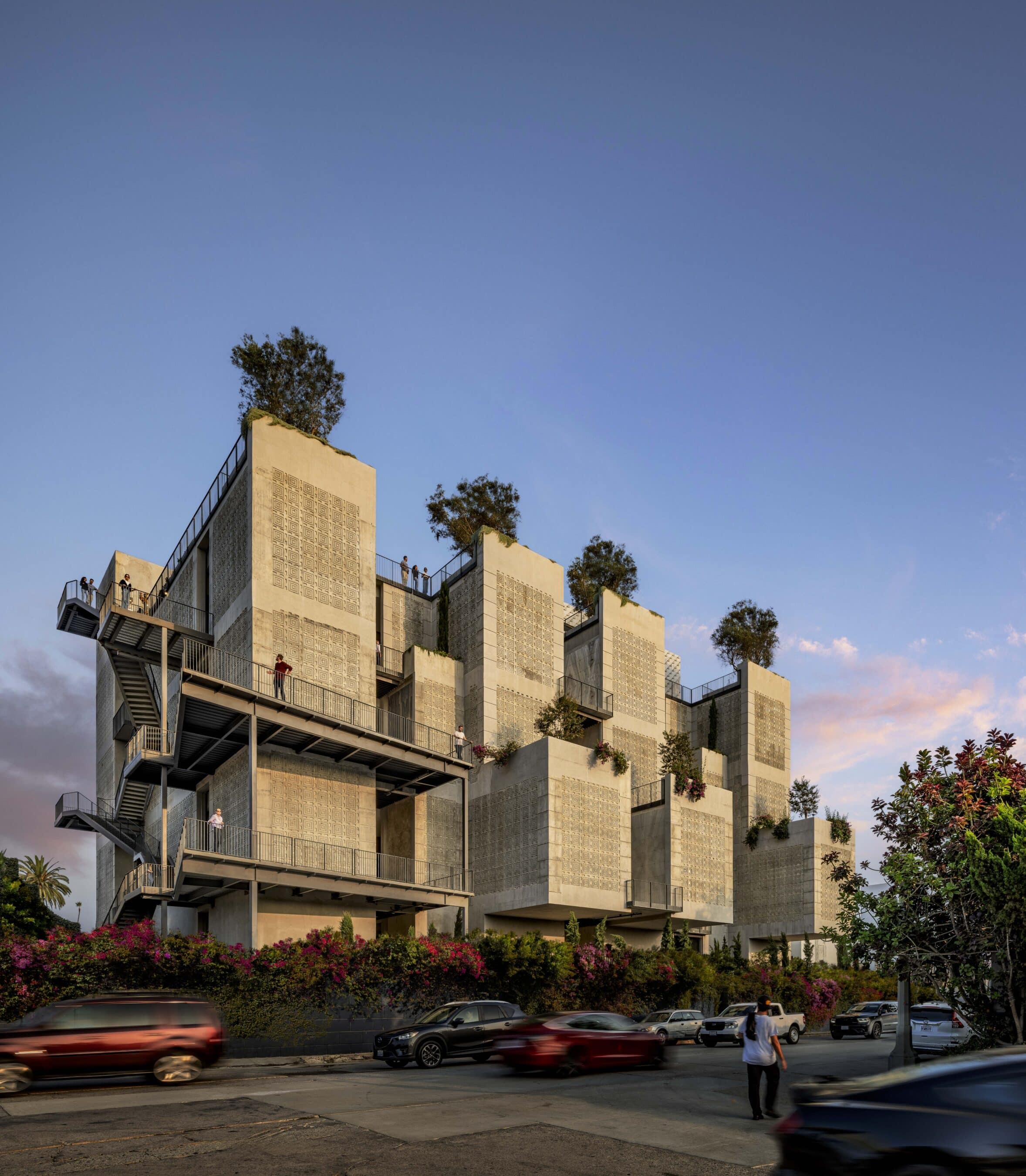
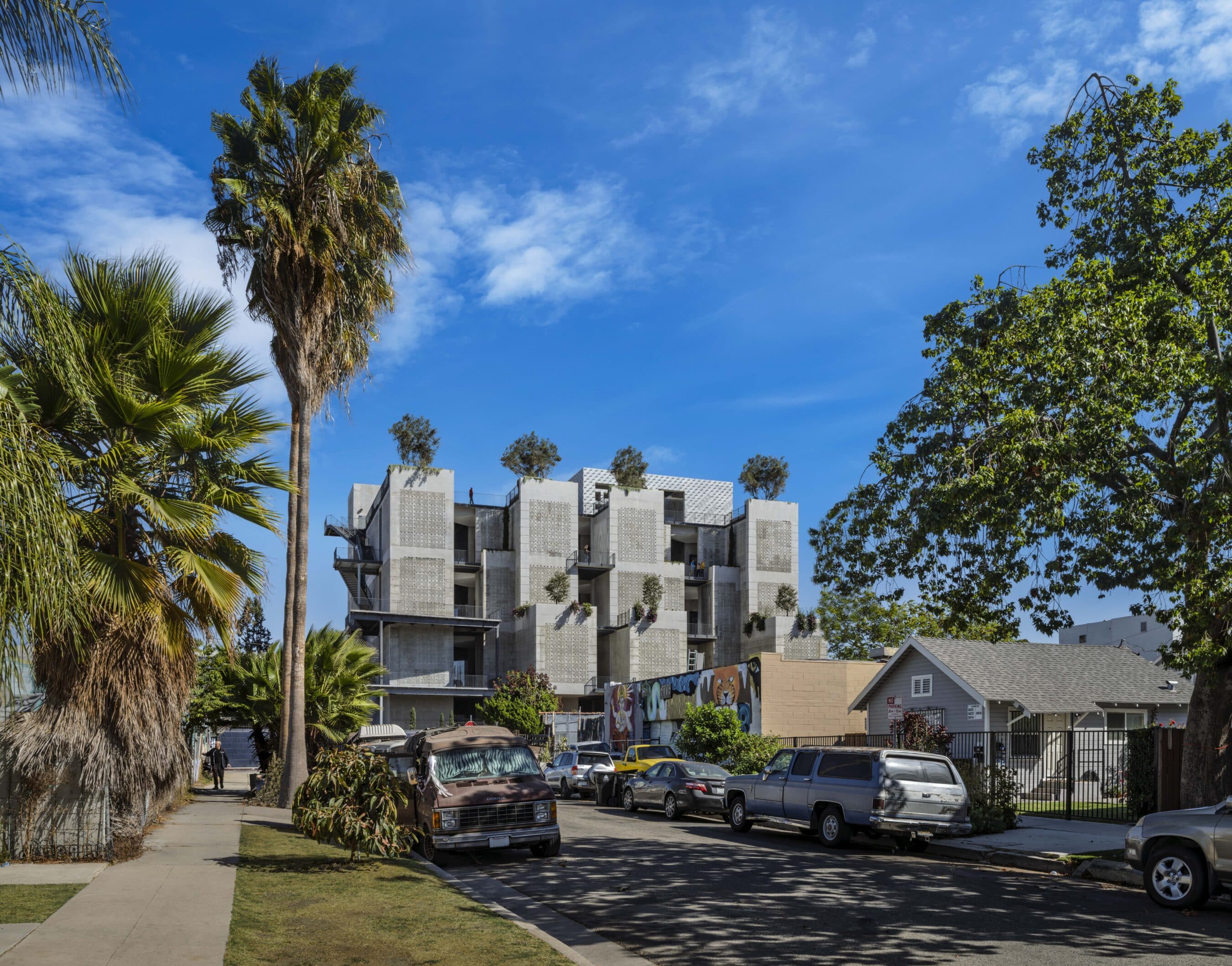
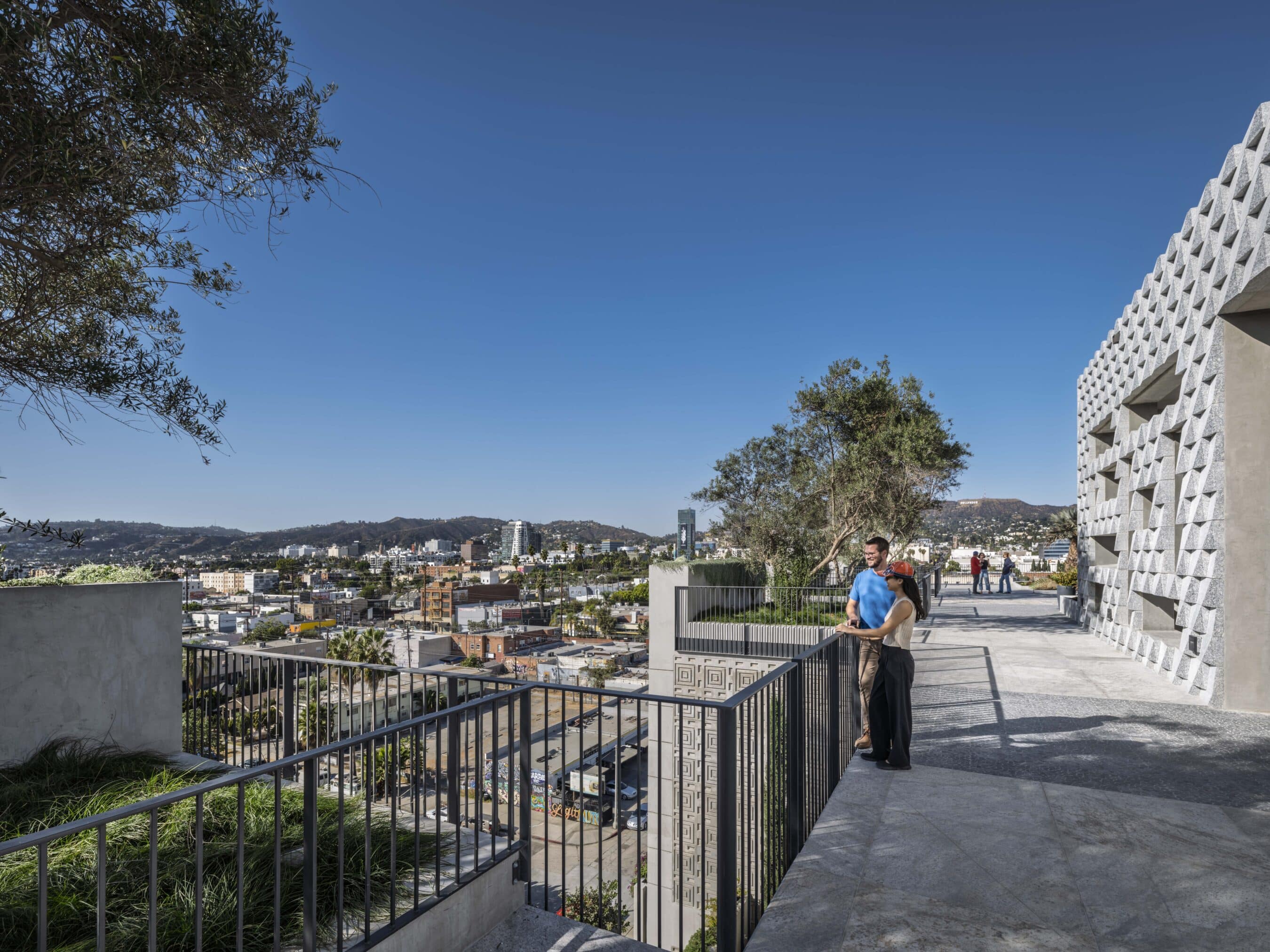
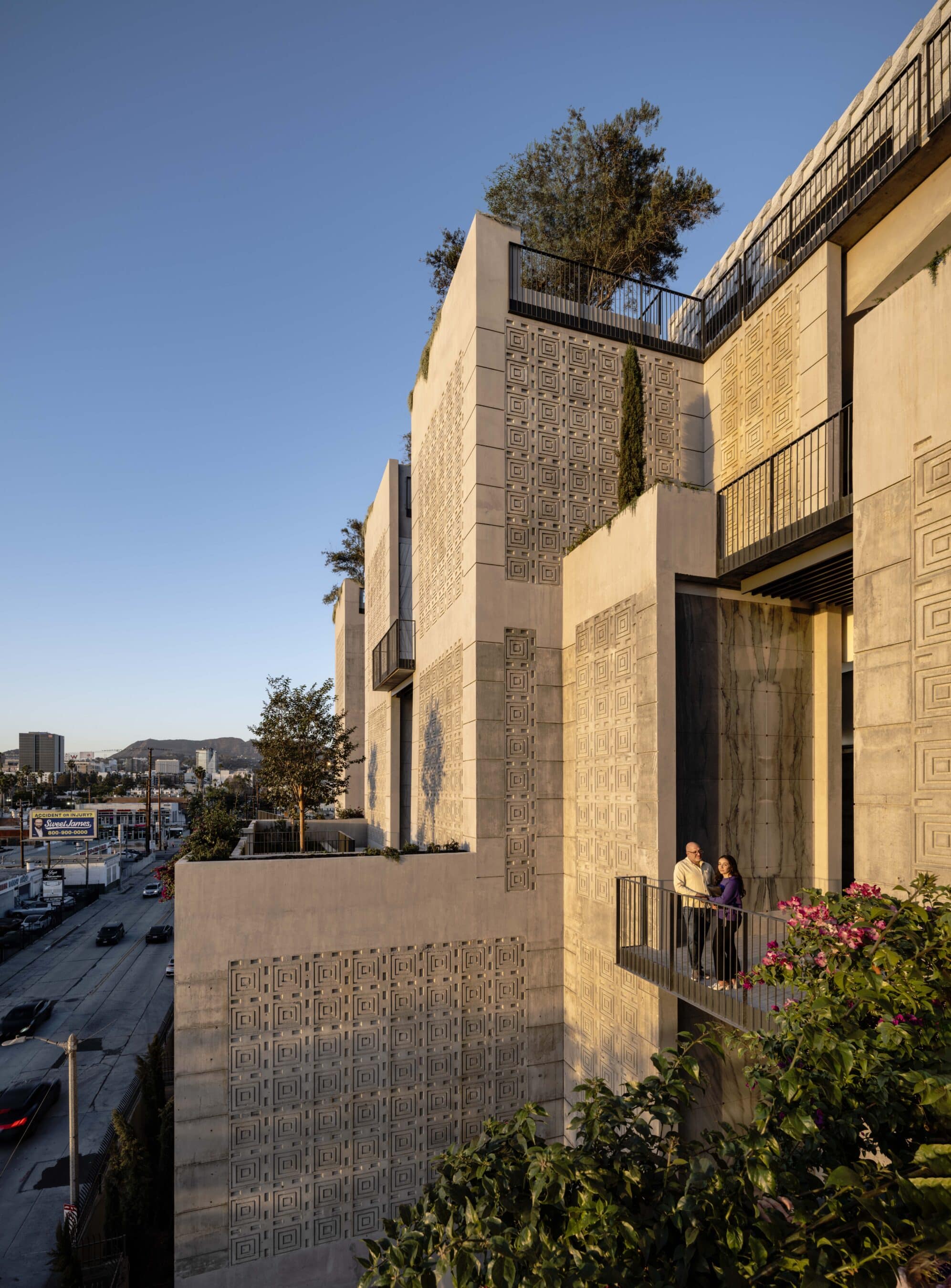
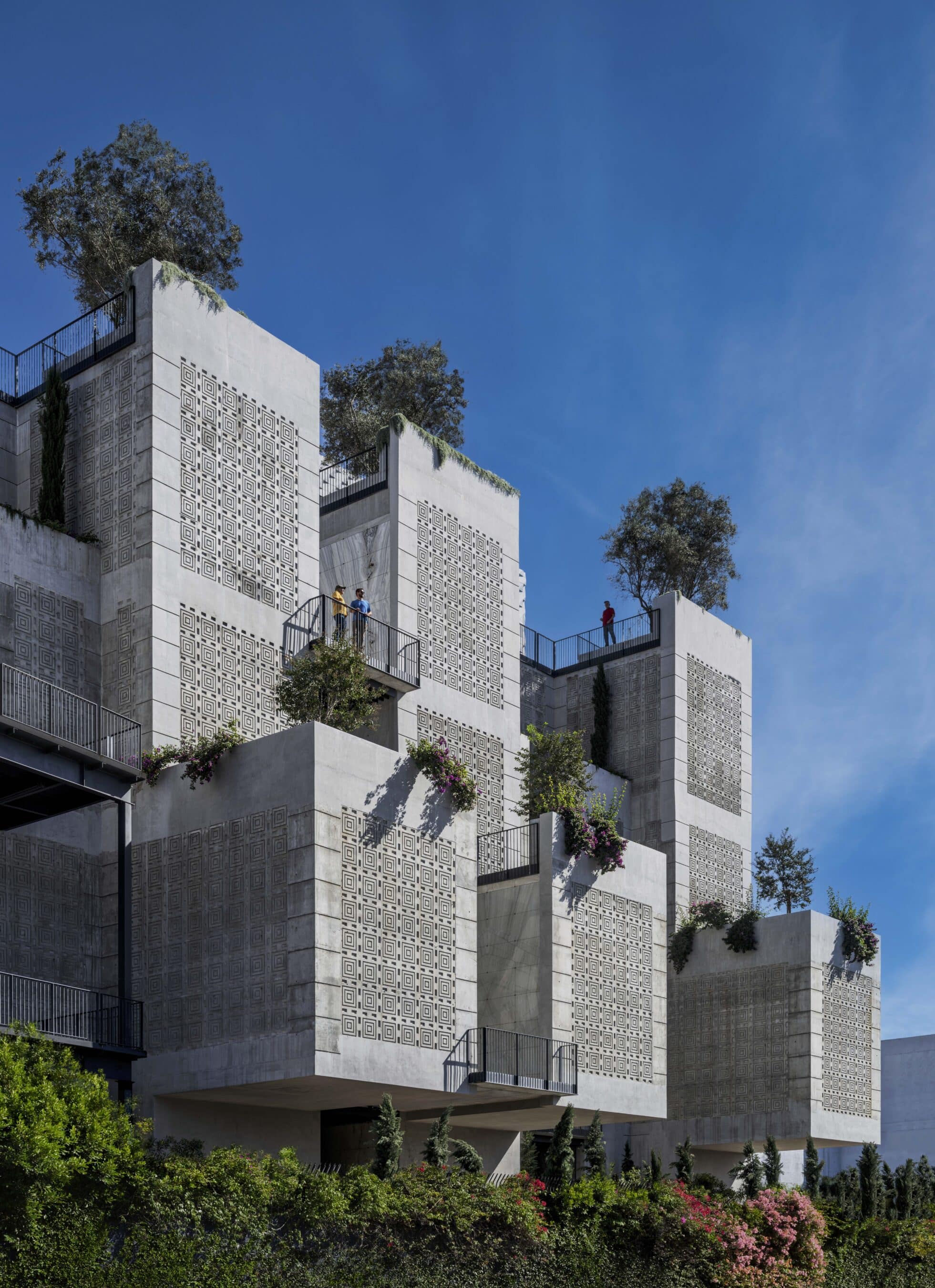
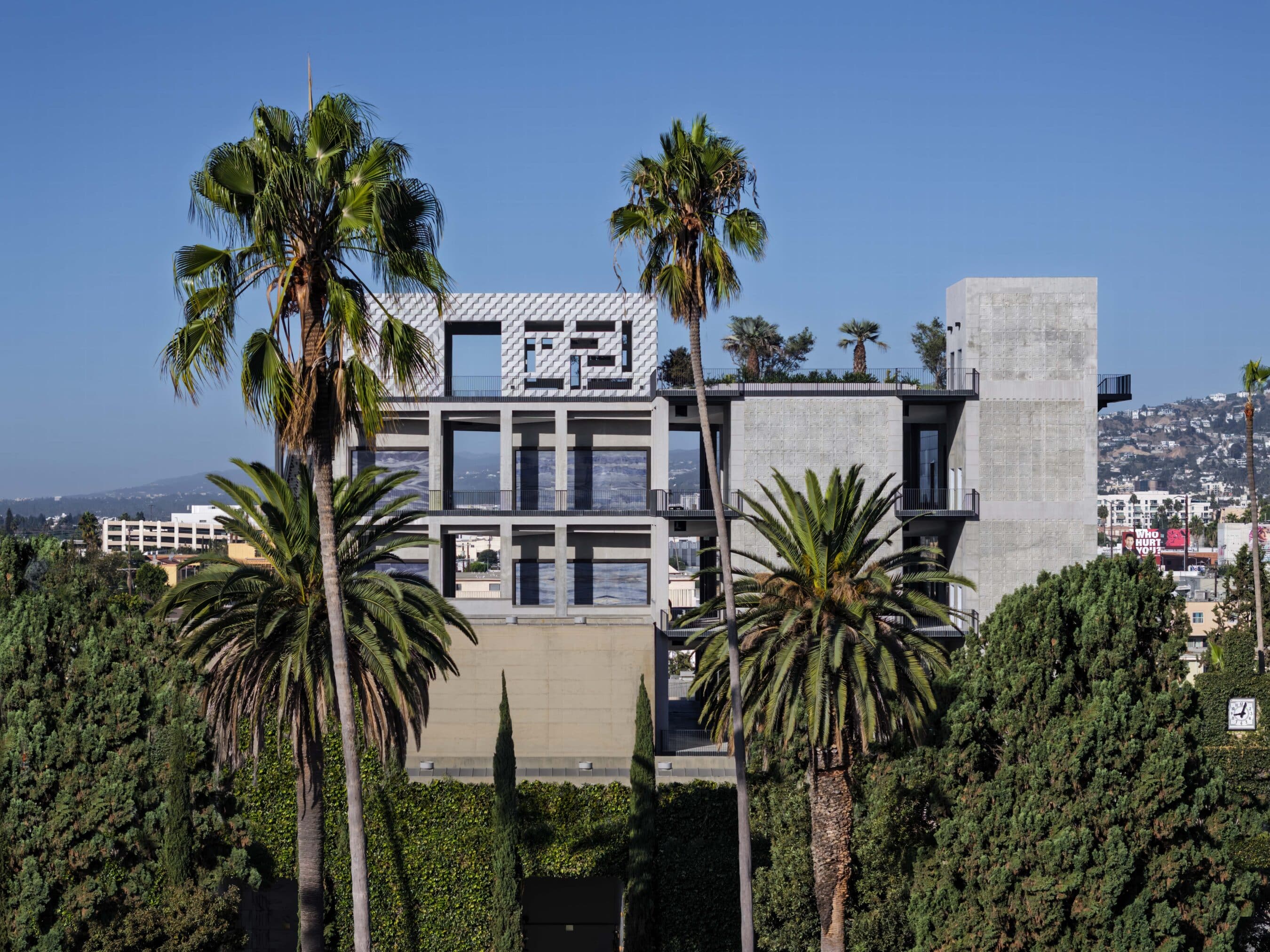
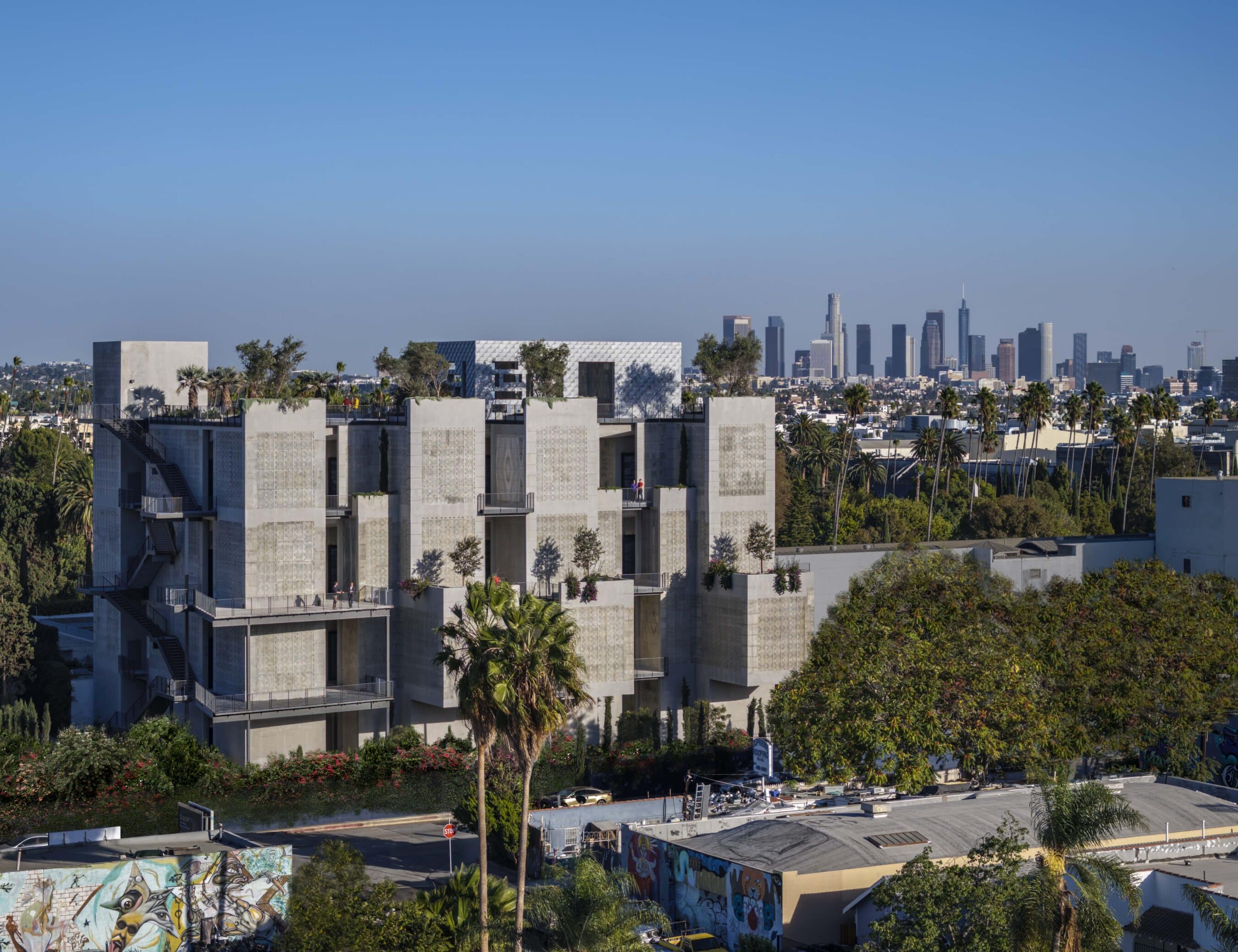
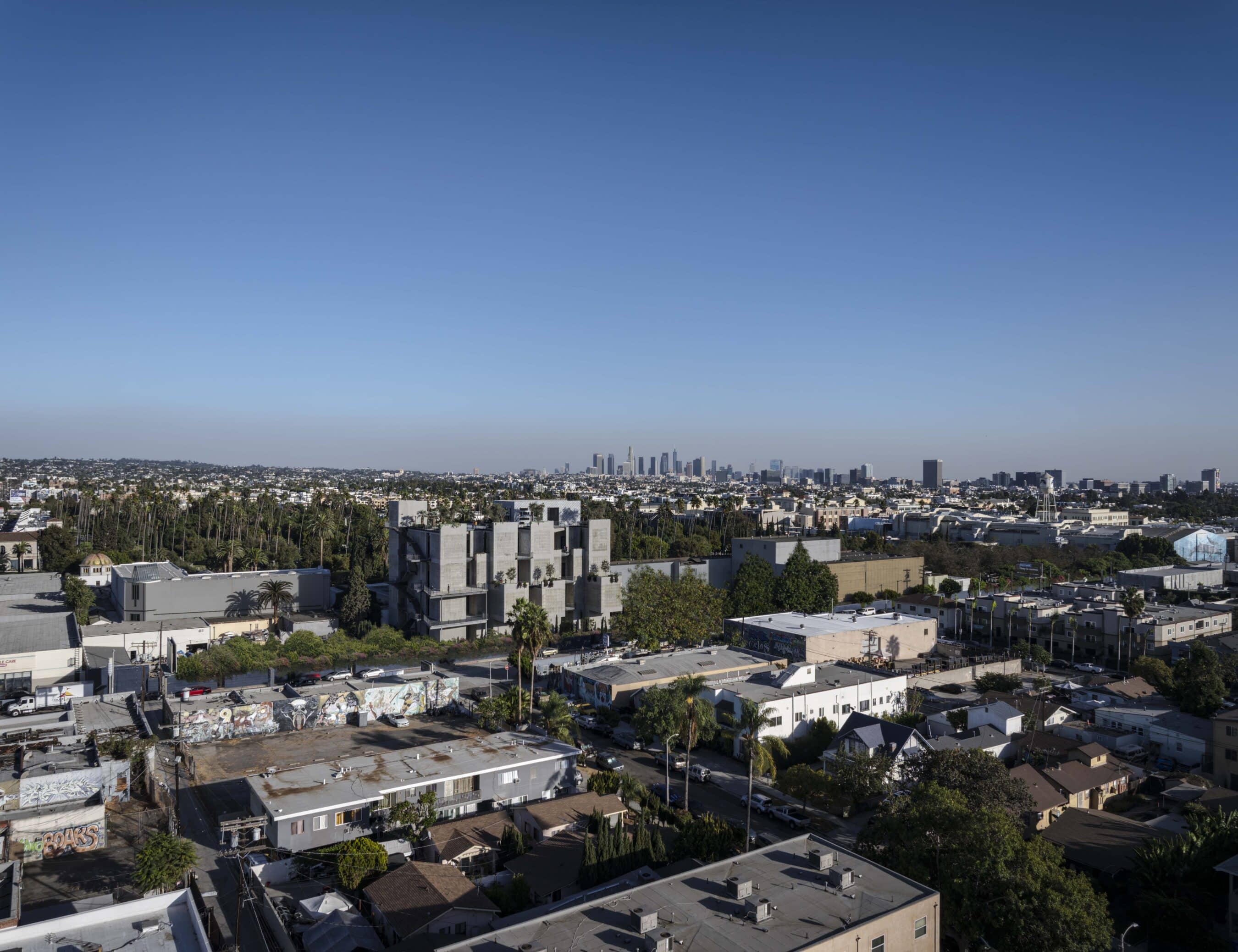
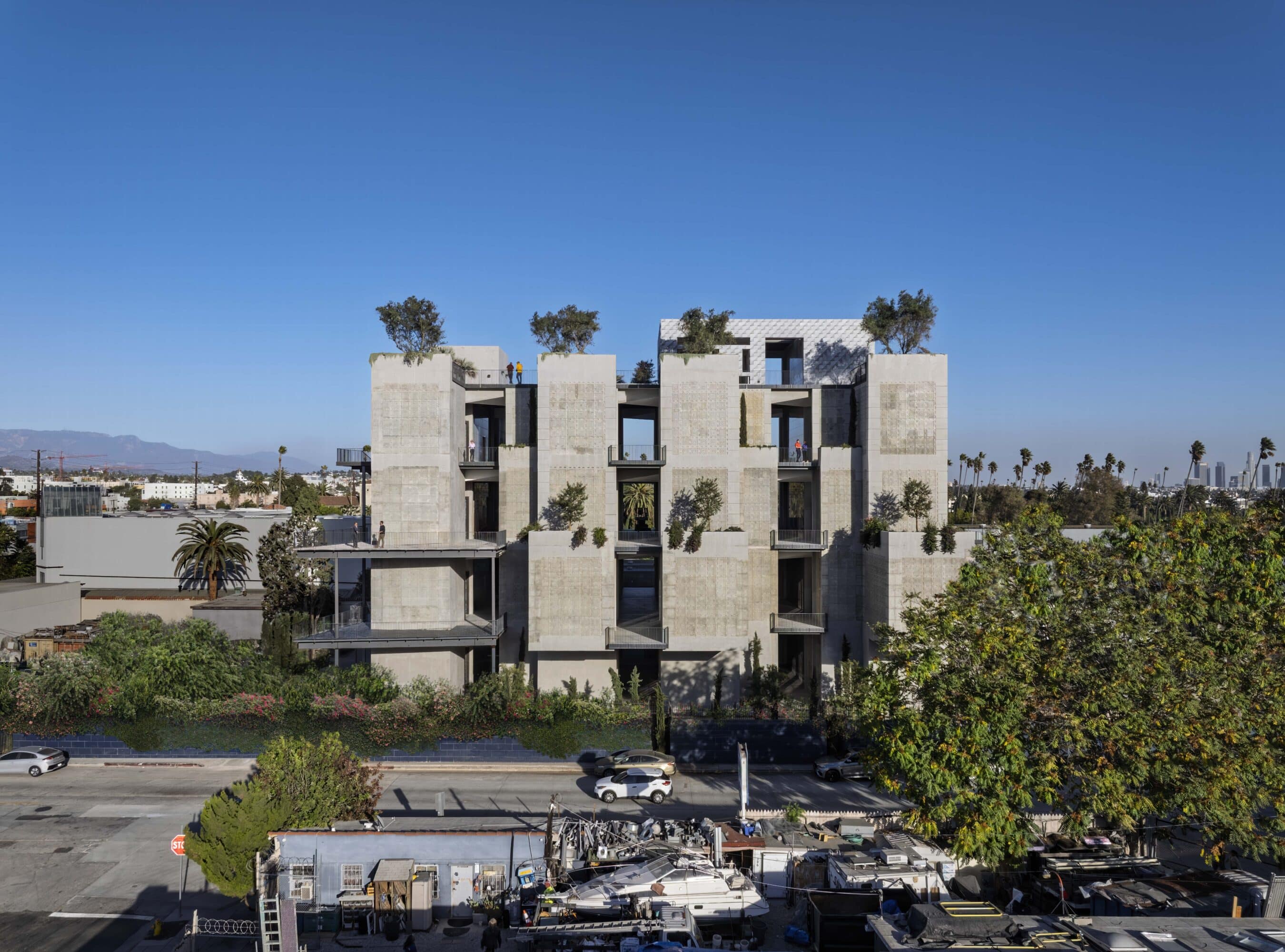
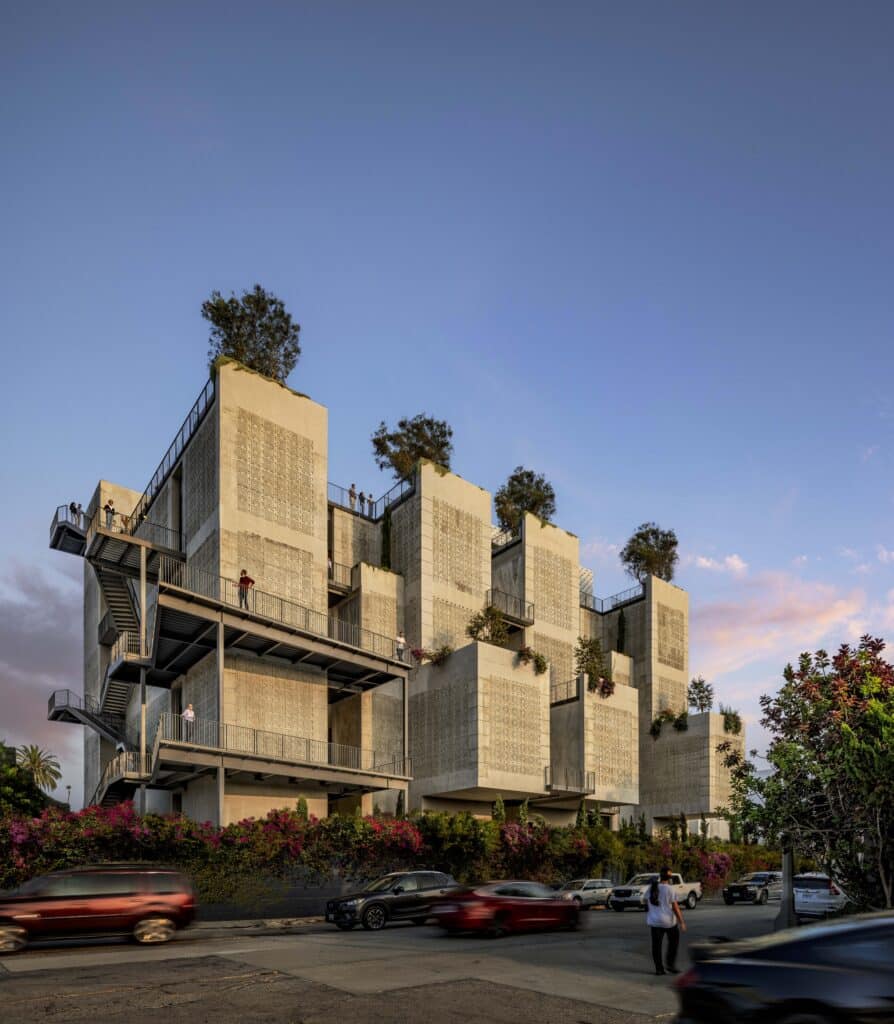
The Gower Mausoleum rises 100 feet above Hollywood Forever, making it the tallest mausoleum in the United States. Designed by Lehrer Architects and Arquitectura y Diseño, its vertical form addresses the challenge of limited space in Los Angeles while creating a striking new landmark.
Architectural Features of the Gower Mausoleum
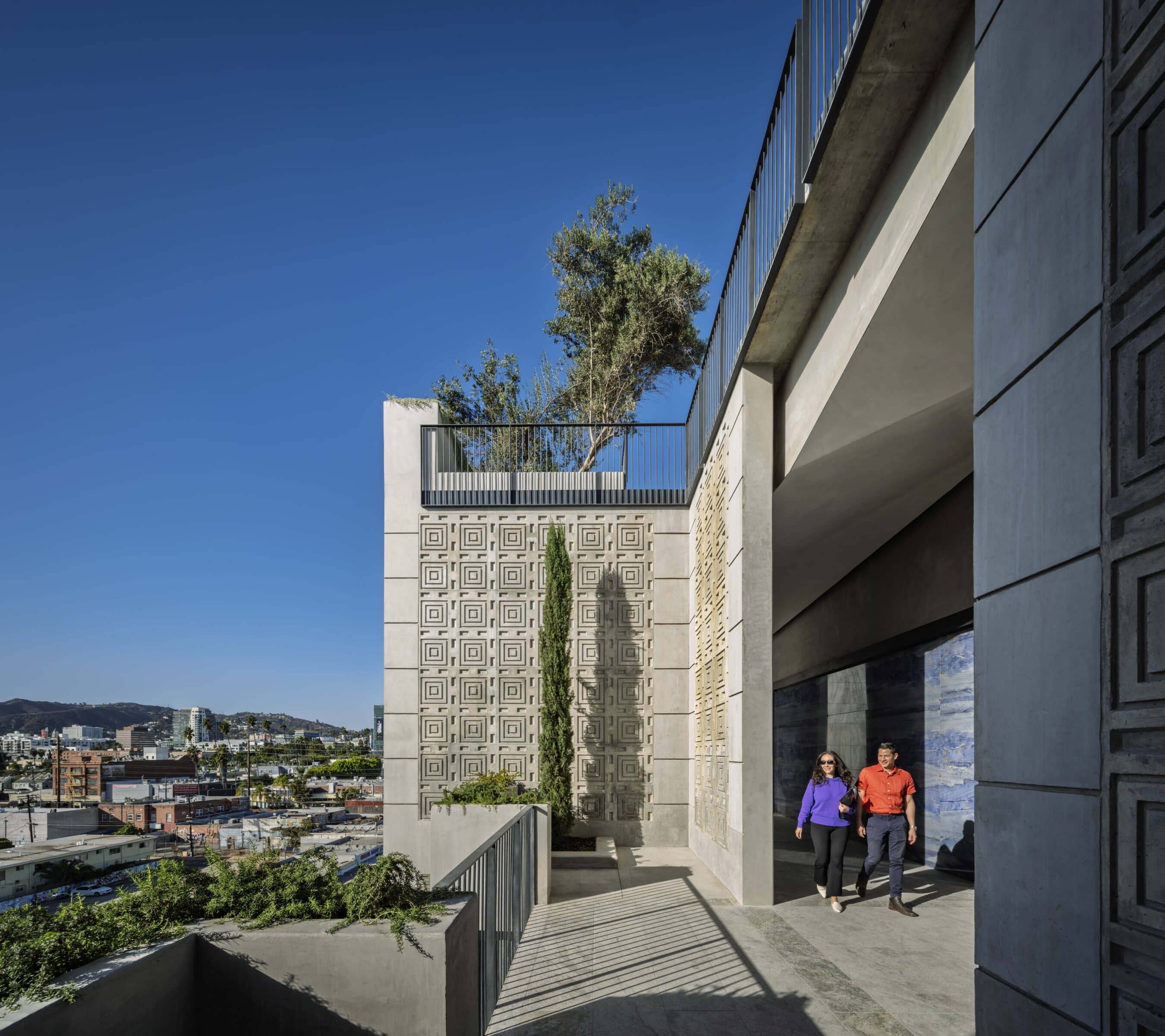
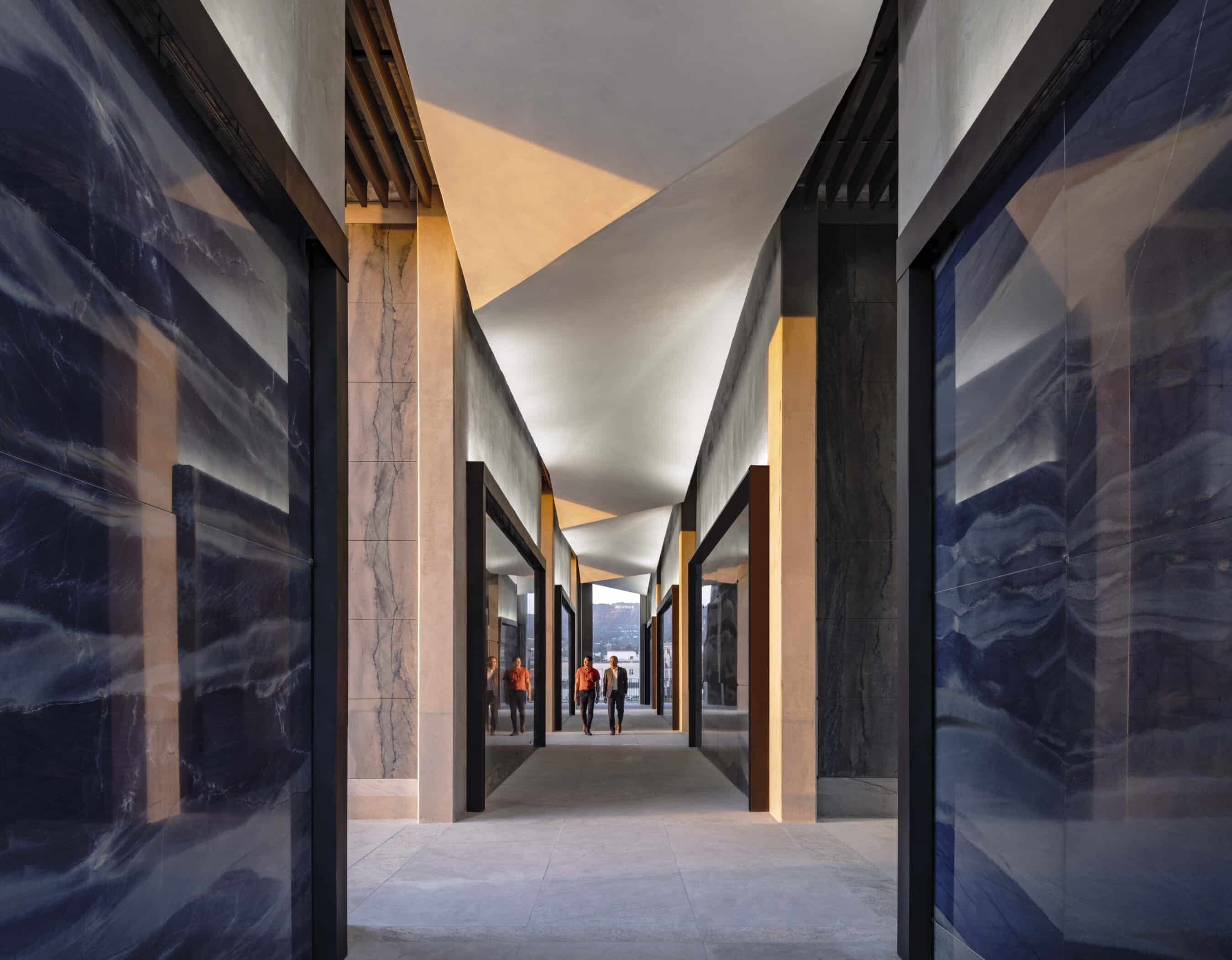
The mausoleum was created to balance permanence with openness, offering families a serene place of remembrance in the heart of Los Angeles. Key features include:
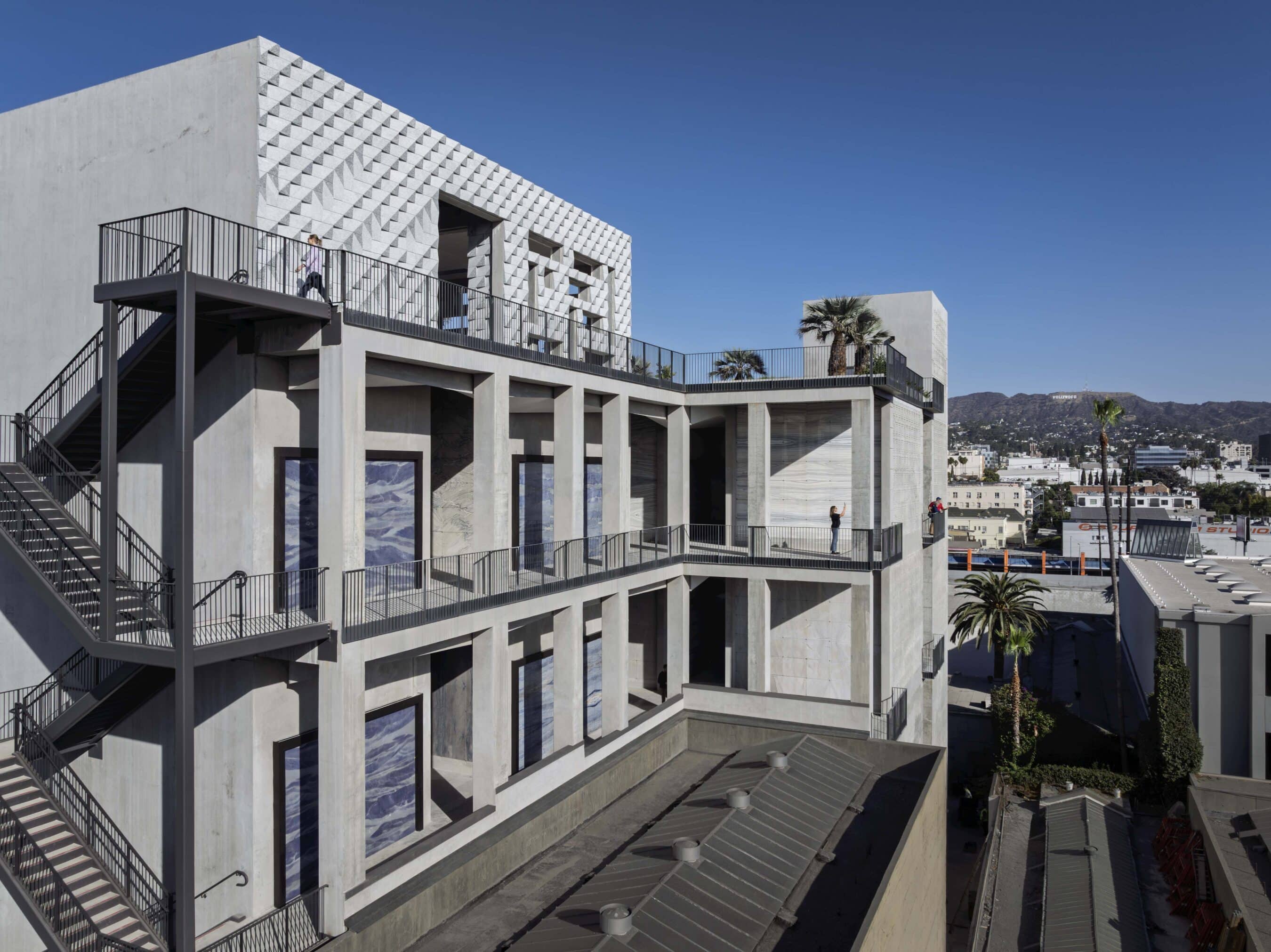
- Five-story vertical structure – the tallest mausoleum in the United States, rising 100 feet above the cemetery grounds.
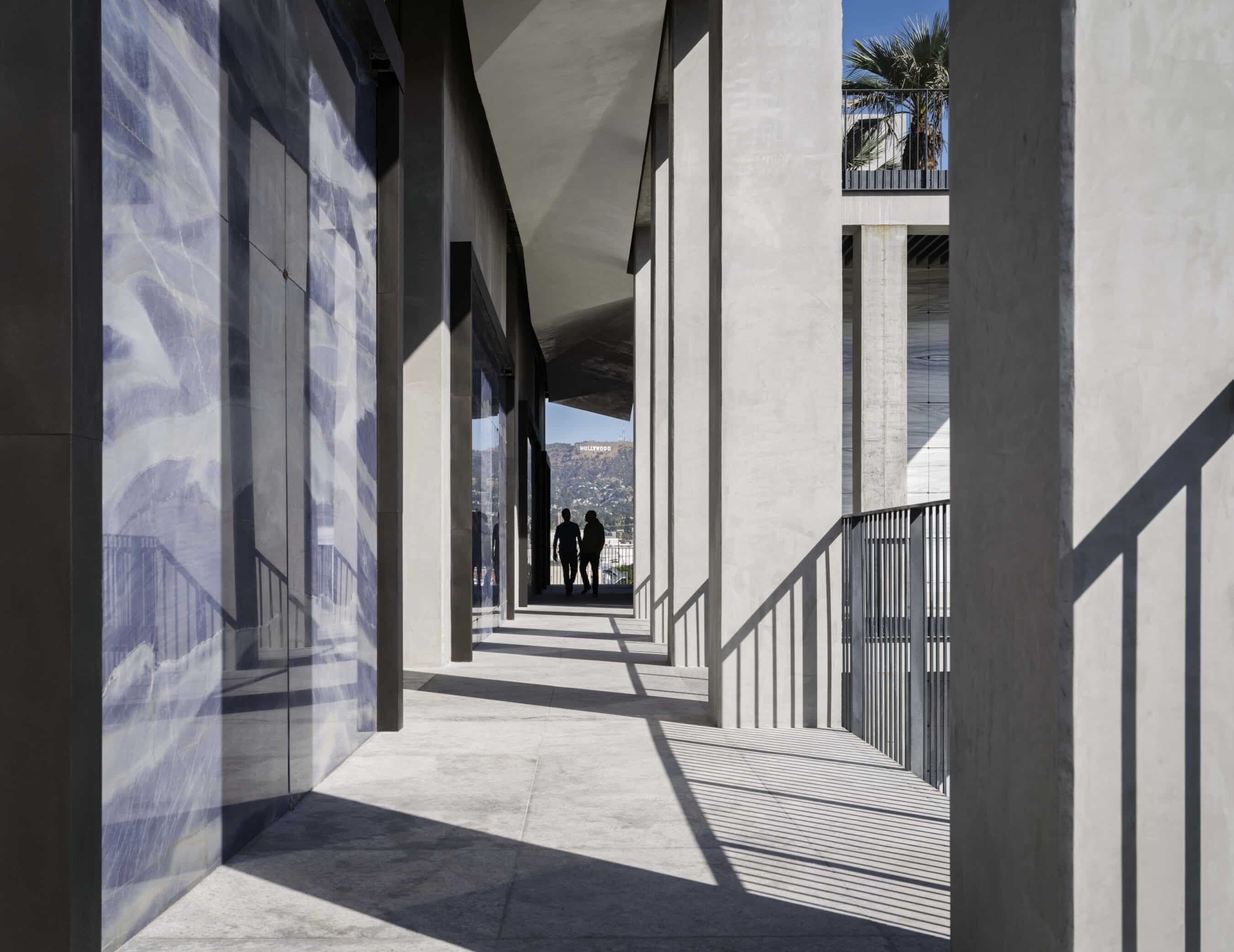
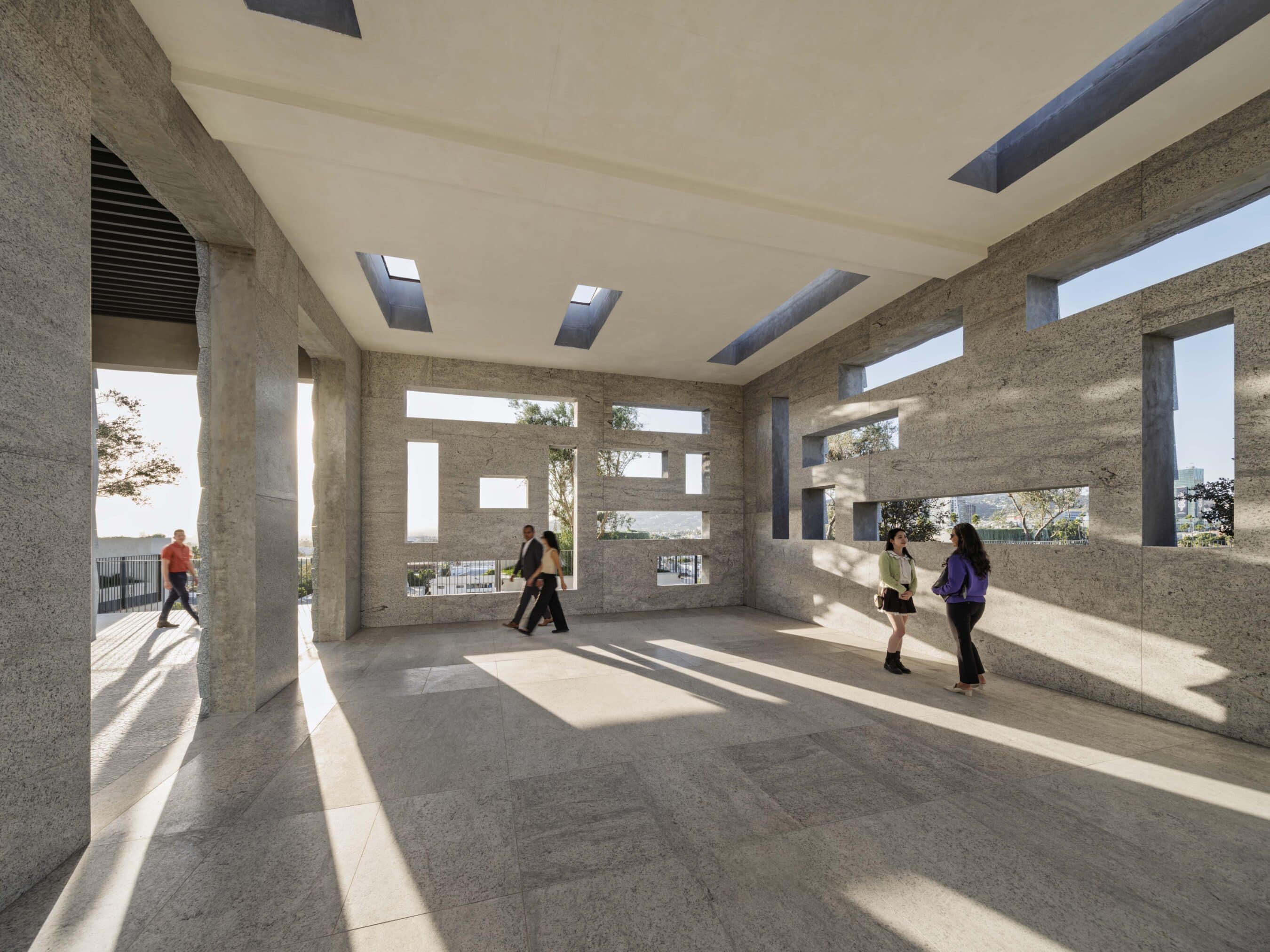
- Open breezeways – allowing natural light and fresh air to circulate through every level.
- Stepped garden frontage – softening the concrete façade with greenery and offering a welcoming street presence.
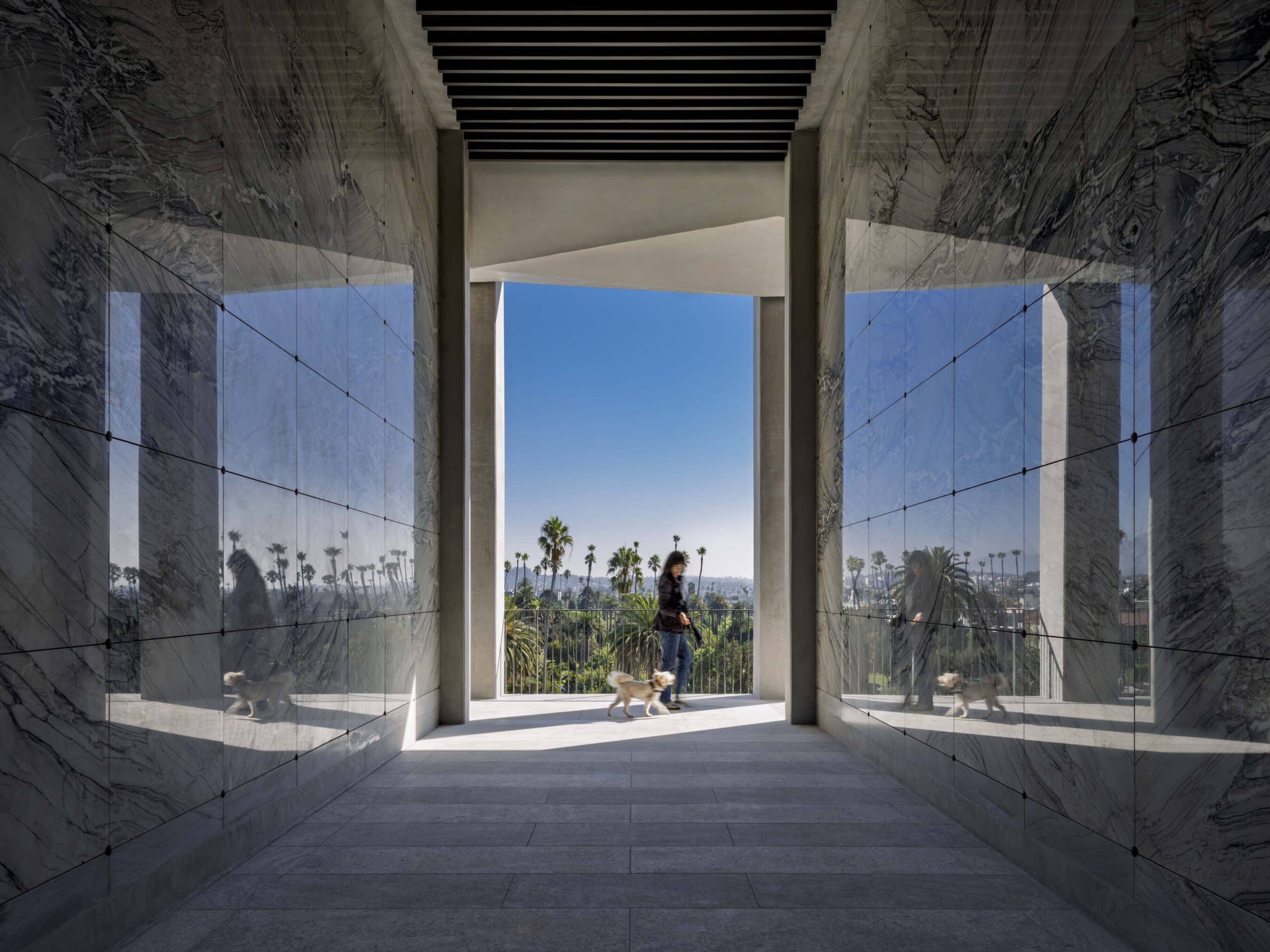
- Marble interiors – polished finishes that provide a calming and elegant environment.
- Wide passageways – designed to create a sense of spaciousness and ease of movement for visitors.
- Framed city views – vistas of the Hollywood Hills and skyline that connect the mausoleum to the landscape around it.
Artistic and Historical Influences
The mausoleum’s form reflects a blend of modern and ancient traditions:
- Pop Art inspirations – Donald Judd, Carl Andre, and Andy Warhol’s Brillo Box sculptures.
- Sculptural influences – the work of Spanish artist Eduardo Chillida.
- Architectural heritage – echoes of ancient ziggurats and mastabas from Mexico and Persia.
These influences give the structure a contemporary voice while honoring memorial architecture’s long history.
About Hollywood Forever Cemetery
Founded in 1899, Hollywood Forever is one of Los Angeles’ most historic cemeteries. Spanning 53 acres, the grounds were originally designed by landscape architect Joseph Earnshaw, who envisioned an open, park-like setting without walls or barriers. From its beginning, the cemetery invited visitors to stroll tree-lined pathways, pause in gardens, and find space for contemplation.
The Final Resting Place of Hollywood’s Icons
Hollywood Forever is the final resting place for many of the city’s most notable figures, including Rudolph Valentino, Cecil B. DeMille, Judy Garland, Johnny Ramone, and Chris Cornell.
A Cultural Gathering Place in Los Angeles
The cemetery has grown into a cultural landmark, welcoming the community for outdoor film screenings, concerts, events at the Masonic Lodge, and the annual Día de los Muertos celebration.
A Mission of Service and Remembrance
Hollywood Forever serves as both a cemetery and a cultural hub — offering families compassionate memorial services while continuing to host traditions that bring people together. Its mission is to honor loved ones with beauty, dignity, and permanence, while creating spaces that remain meaningful to future generations.
Frequently Asked Questions
What Is a Mausoleum?
A mausoleum is a building that holds caskets and cremated remains above ground. Inside, long walls are built with individual crypts for caskets and niches for urns containing cremated remains. These spaces are finished with stone or marble fronts, often engraved with names and dates, so that each life is honored in a lasting way. Mausoleums also feature halls and gathering areas where mourners and families can come together, often designed with gardens, lighting, and art to reflect the importance of remembrance.
Where Is the Gower Mausoleum Located?
The Gower Mausoleum is located within Hollywood Forever Cemetery at 6000 Santa Monica Blvd, Los Angeles, CA 90038. The cemetery is situated in the heart of Hollywood, just south of Paramount Pictures, with views that align toward the Hollywood Sign.
How Much Does a Los Angeles Mausoleum Cost?
The cost of a mausoleum varies depending on several factors, including the type of space (crypt or niche), location within the building, and available personalization options. For current offerings and details, please visit our Mausoleum Pricing page.
How Are Caskets Placed in a Mausoleum?
Caskets are placed into crypts, which are built into the mausoleum’s walls. Each crypt is carefully sealed and covered with a decorative stone or marble front. Urns holding cremated remains are placed into smaller niches, which are arranged in similar rows.